Gasoline smell or visible fuel leak
Do not start the engine or operate electrical switches. Keep clear of ignition sources and arrange professional help before further use.
Not sure what to do before calling a jet ski mechanic? Here is a useful, no-nonsense guide: the details to collect, safe things to look at, warning signs not to ignore, and exactly what to text Jamie.
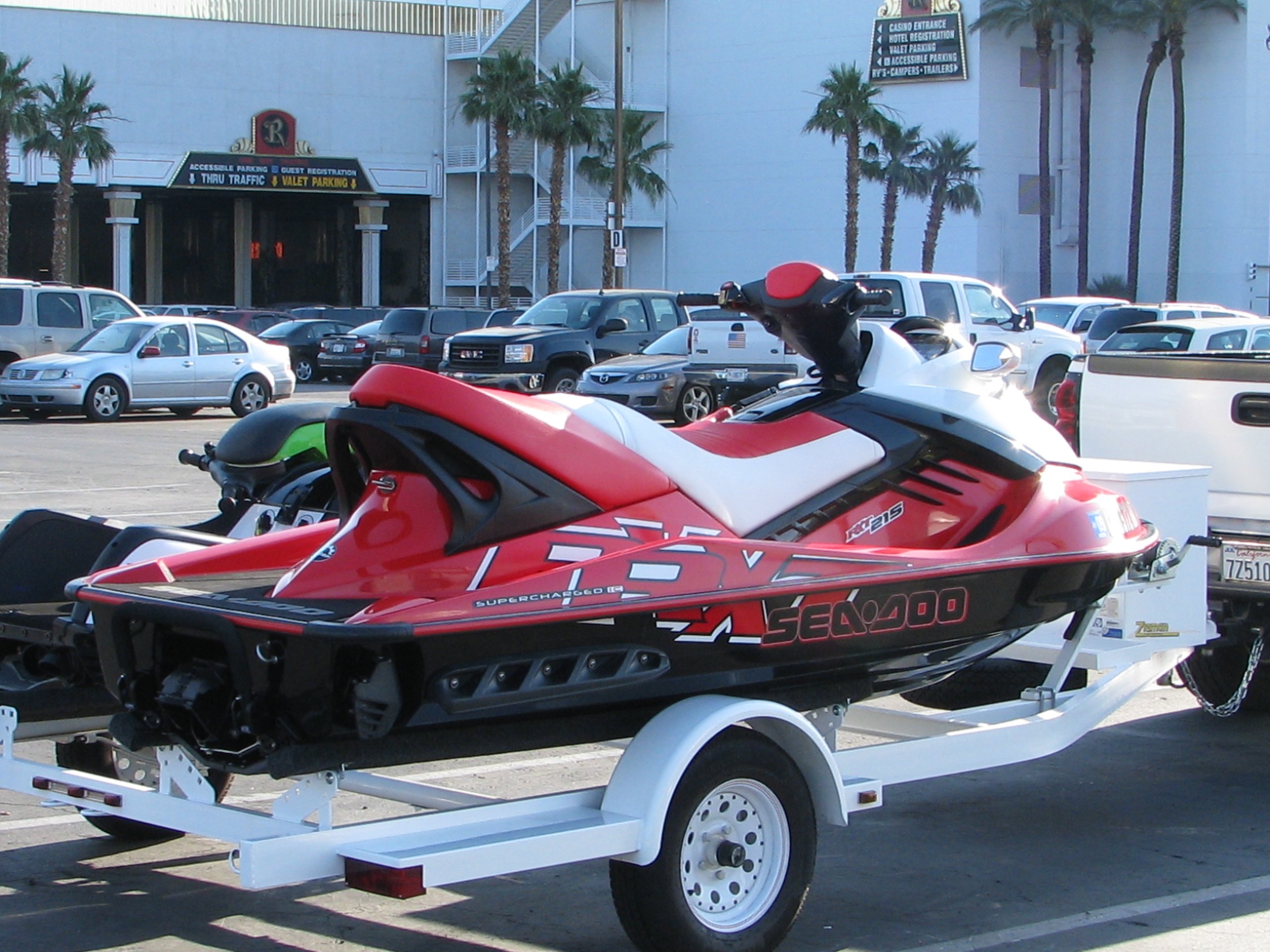
You do not need to solve the problem yourself. These details simply help Jamie understand your ski and decide what kind of visit makes sense.
Find the brand, model and approximate year. A photo of the model label or HIN plate can help if you are unsure. Avoid sharing personal registration documents publicly.
Does it crank but not start? Start then stall? Overheat? Vibrate? Lose power? Explain when it happens and whether the ski was in the water or on its trailer.
Take a clear photo of any warning message or fault code. A short existing video may help — but never restart an unsafe ski simply to record a video.
Tell Jamie the city and whether it is on a trailer, at a dock, in dry storage or at a marina. Confirm whether a technician is allowed to work there.
Have the key or safety lanyard, trailer or gate access, and relevant maintenance history available if possible. Keep children and pets clear of the work area.
Confirm the mobile service area, availability, access requirements and any travel, assessment or repair fees directly with Jamie before scheduling.
These are observations, not instructions to diagnose or repair the watercraft. If anything seems unsafe, stop using it and contact a qualified professional. Never reach into moving parts or handle fuel-system components yourself.
Do not start the engine or operate electrical switches. Keep clear of ignition sources and arrange professional help before further use.
Stop using the ski and let it cool. Do not keep restarting it to see whether the warning disappears. Describe the symptoms to Jamie.
Do not attempt to start it. Promptly contact a qualified watercraft technician; water ingestion can make the situation worse if handled incorrectly.
Note the display and whether the starter reacts; check only obvious, manual-approved basics such as the correct safety key position and fuel reading. Avoid repeated cranking.
Stop riding if performance is abnormal. Do not put hands or tools near the intake or impeller. Report whether you hit debris or noticed a sudden change.
Share the model year, engine hours if available, last known service date and any oil or filter information from your records.
What clients really need to know before arranging mobile service.
Contact Jamie ↗No — reach out first. Many maintenance and diagnostic discussions can begin as a mobile request. Jamie will confirm whether the specific repair is suitable for onsite work or needs a workshop.
No. Do not run a watercraft out of the water just to demonstrate a symptom. Cooling and flushing rules vary by model, and improper operation can cause damage. Follow your manufacturer’s manual.
Not at all. Describe what the machine does, what changed and whether there is a warning code. Observations are more useful than guessing which part is defective.
Yes. Send the model label, displayed fault code, signs of an external leak or a short existing video if it was recorded safely. Never recreate a dangerous problem for a video.
Routine work may have a clearer service scope, but mechanical problems often require inspection and testing before a reliable repair quote. Discuss any travel or diagnosis charges before confirming a visit.
Let Jamie know the marina, access arrangements and whether outside mechanics are permitted. Mobile service always depends on the site’s rules and the work required.
Send a photo of the model information or the visible hull identification label and mention that the year is uncertain. Jamie can explain what additional details are needed.
Scheduling depends on location, access, the job and existing appointments. Contact Jamie for current availability. No automatic same-day guarantee is made.
For safety: Always follow the operator's guide for your exact make and model. Manufacturer guidance includes Yamaha’s pre-operation checks ↗, Sea-Doo’s inspection guidance ↗ and Sea-Doo’s out-of-water engine warning ↗. Manufacturer names are descriptive only; Jamie is an independent service provider.
Describe the issue and let Jamie decide the best next step.